Install a culvert or bridge and limit the mud and animal waste going into the stream.
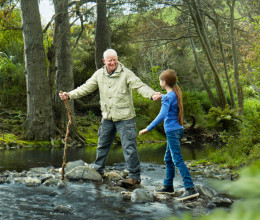
If stock are regularly walking through the stream, they will be making a mess of it. One study found that a 246 cow herd deposited 37 kg of faecal matter during 2 crossings of a stream. They concluded that cows are 50 times more likely to deposit their waste in a stream than on a stock lane (
Davies-Colley et al (pdf 656 kB) 2002.). Install a culvert or bridge and limit the mud and animal waste going into the stream.
Culvert or bridge?
Bridges generally have less impact on stream banks, stream beds and water flow than culverts. They can be expensive but will often be a sound investment because
they generally require less maintenance and can provide many benefits for farm infrastructure.
Culverts can be a cheaper option for streams that don't carry a lot of sediment and don't flood too high. They need to be chosen carefully and installed well to avoid causing erosion and restricting fish movements.
Although installing a bridge or culvert may soon become a permitted activity, currently a resource consent is required. In your application consider the following principles:
Getting culverts right
Correct size and installation will generally save money in the long term as culverts will be less likely to fail and need replacing.
- Putting in the right size culvert is important. If you get it wrong you will restrict flood flows, often leading to flood water bypassing the culvert or shifting it. Make the culvert as wide as, or wider than, the average width of the stream. If there is a culvert upstream, look at its size and make yours one size bigger.
- Position the culvert so that it is on the same angle and direction as the stream.
- Allow natural stream bed material to settle on the culvert floor along its length so that it is easier for fish to swim through.
- Use armouring material, such as rocks, around the culvert and especially below the outlet to reduce erosion.
- Consider building a spillway for extreme floods. Talk to Environment Canterbury or an engineer for design advice.
- Where possible set the floor of the culvert below the streambed level. Waterfalls increase the chance of erosion and prevent fish swimming upstream. If an existing culvert has such a drop, build a simple rock ramp for fish.

Culvert at wrong level.

Culvert at right level.
Building better bridges
- Construct your bridge high enough to avoid blocking high stream flows.
- Minimise your bridge span to keep the costs down.
- Construct raised lips on the edges of the bridge to prevent run-off into the stream.
- Channel run-off from the bridge into grassy filter areas.
Next: Maintenance >>